
NYC Contractor Hiring Guide
How to Choose a General Contractor in NYC
Hiring the wrong contractor in New York doesn’t just mean a bad experience — it can mean stalled permits, board rejections, and thousands of dollars in rework. Because renovation work here involves so much more than construction (co-op boards, DOB permits, landmark districts, aging infrastructure), the right contractor needs to manage all of it, not just show up with a crew.
Green Flags vs. Red Flags When Hiring a Contractor
| Green Flag | Red Flag |
|---|---|
| Provides license & insurance certificates immediately | Hesitant or unable to provide documentation |
| Gives an itemized, detailed estimate | Offers a vague lump-sum quote |
| Has experience with your specific building type | No experience with co-op boards or landmark districts |
| Manages permits & board applications in-house | Leaves permitting/compliance entirely to the homeowner |
| Shows a real portfolio with references | No verifiable past projects or references |
Here’s what actually separates a reliable general contractor from a risky one.
1. Licensing and Insurance — Non-Negotiable
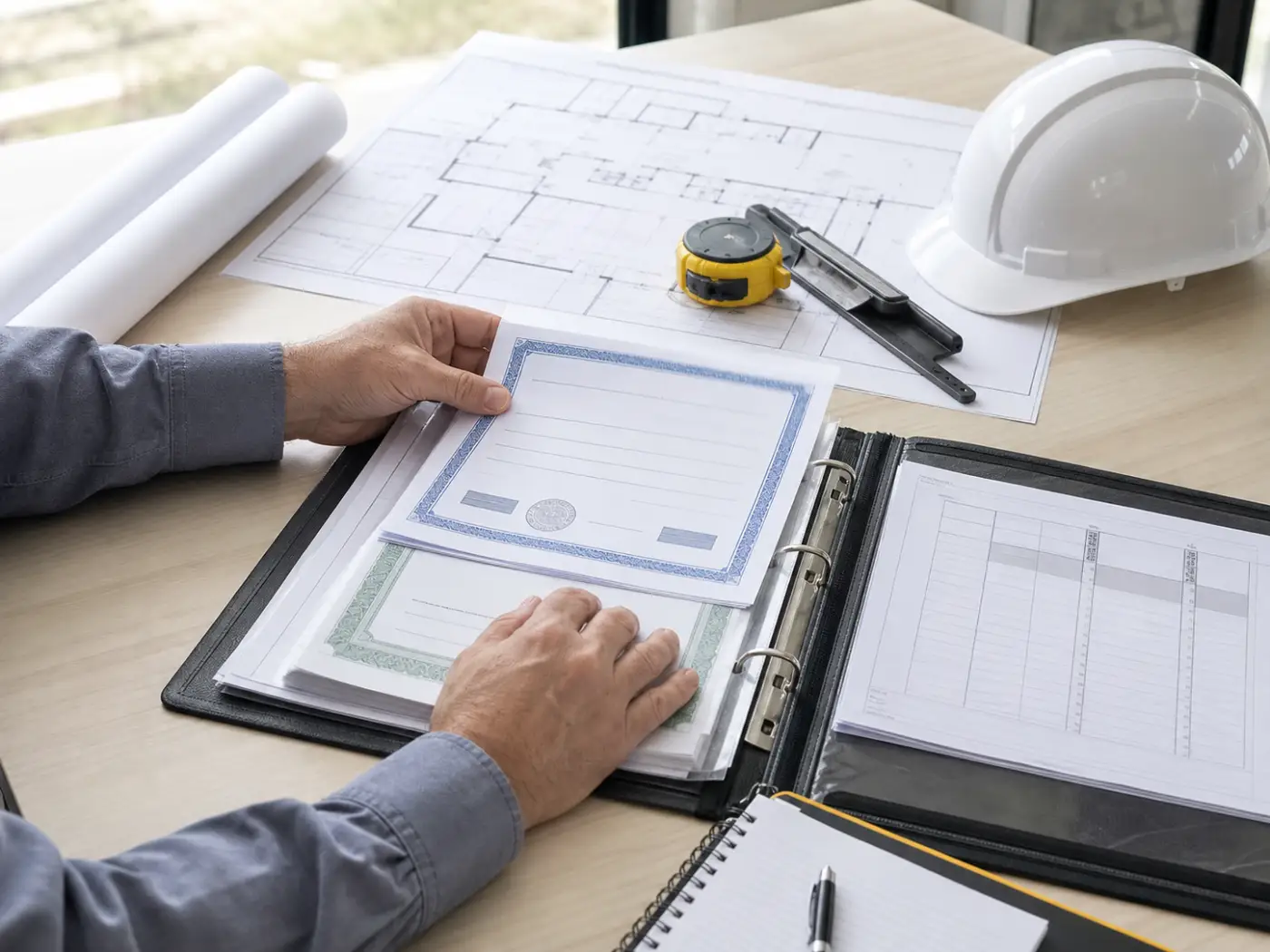
Any general contractor working in NYC should be fully licensed and carry active general liability and workers’ compensation insurance. Ask for certificates directly, not just a verbal confirmation — your co-op or condo board will require this documentation anyway, so a contractor who can’t produce it quickly is a warning sign.
2. Experience With Your Specific Building Type
A contractor who’s great at apartment renovations isn’t automatically equipped for a brownstone’s structural and landmark requirements, and vice versa. Ask directly: “How many projects have you completed in a building like mine?” If you own a pre-war co-op in Tribeca or the Upper East Side, or a brownstone in Park Slope or Brooklyn Heights, that specific experience matters more than general renovation volume.
3. Co-op/Condo Board Experience
If you live in a co-op or condo, your contractor needs to know how to prepare a board application package — drawings, insurance certificates, a construction schedule — not learn it on your project. Ask how many board-approved projects they’ve managed and whether they’ll coordinate directly with your managing agent.

4. A Detailed, Itemized Estimate — Not a Rough Number
A reliable contractor gives you an itemized estimate after an on-site assessment, covering demolition, electrical, plumbing, HVAC, and finishes — not a single lump-sum figure based on square footage. Vague or unusually low estimates are one of the biggest predictors of expensive change orders once construction starts. See how we break down cost on our Gut Renovation and Brownstone Renovation pages.
5. Permit and Compliance Handling
Ask directly whether the contractor manages NYC Department of Buildings permits and, if relevant, Landmarks Preservation Commission filings — or whether that’s left to you to coordinate separately. A general contractor who handles this in-house saves you time and reduces the risk of a project stalling on paperwork.
6. Communication and Project Management
Renovation delays are often a communication problem more than a construction one. Ask how updates are shared, how often, and who your direct point of contact is during the project — daily site presence and consistent updates should be the standard, not an upgrade.

7. A Real Portfolio, Not Just Renderings
Ask to see completed projects similar to yours — ideally with before/after photos and, if possible, a client reference. A contractor with 20 years of documented work in your specific neighborhood type is a very different hire than one without a track record.
8. Red Flags Worth Walking Away From
Be cautious of contractors who ask for a large upfront payment before any work or permits are in place, who can’t provide references from recent similar projects, who avoid putting scope and pricing in writing, or who dismiss your building’s board or landmark requirements as “not a big deal” — these are usually signs of a contractor unprepared for NYC-specific complexity.
Questions to Ask Before You Hire
- Are you licensed and insured, and can you provide certificates today?
- How many projects have you completed in buildings like mine?
- Do you handle co-op/condo board applications and DOB permits directly?
- What’s included in your estimate, and what would trigger a change order?
- Can I see completed projects and speak with past clients?