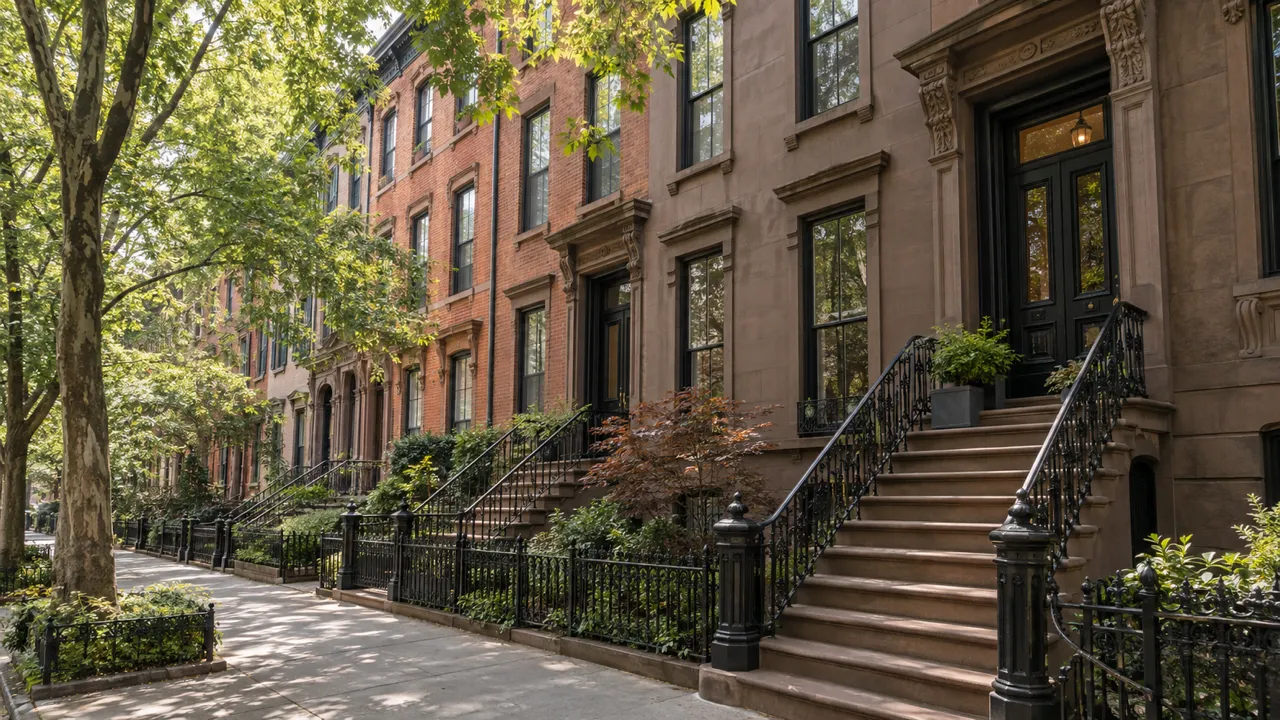
Fort Greene's landmarked core is one of Brooklyn's largest historic districts, filled with Italianate and Renaissance Revival brownstones alongside a handful of pre-war apartment buildings. The neighborhood spans two ZIP codes — 11205 through its historic center and 11217 along the border with Boerum Hill — but the renovation rules stay consistent across both.
LPC review for exterior/facade work; DOB permits for structural, plumbing, and electrical work
Historic district status
Fort Greene Historic District (partial coverage; verify by address)
Fort Greene’s landmarked brownstones call for careful structural planning and preservation-minded finish work. Our Brownstone Renovation approach coordinates both from the first assessment.
What Makes a Fort Greene Renovation Different
Brownstone structural knowledge
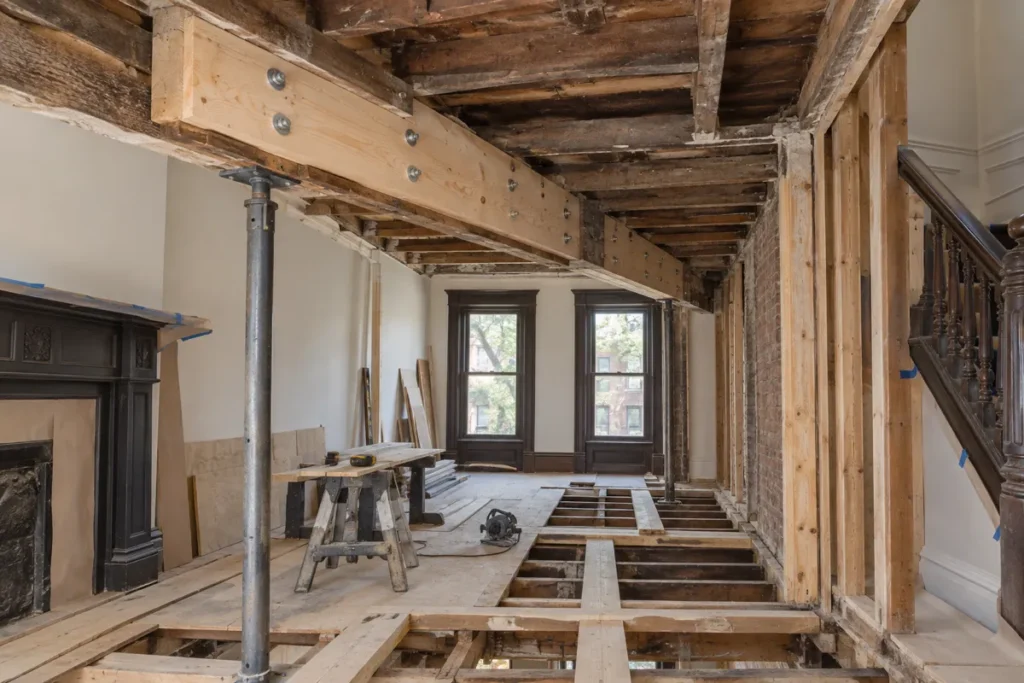
Original joists, load-bearing party walls, and narrow lot widths shape what’s possible on layout changes — a wall that looks non-structural on the parlor floor is often carrying load from above. This is the same structural approach behind every Brownstone Renovation we run in the neighborhood.
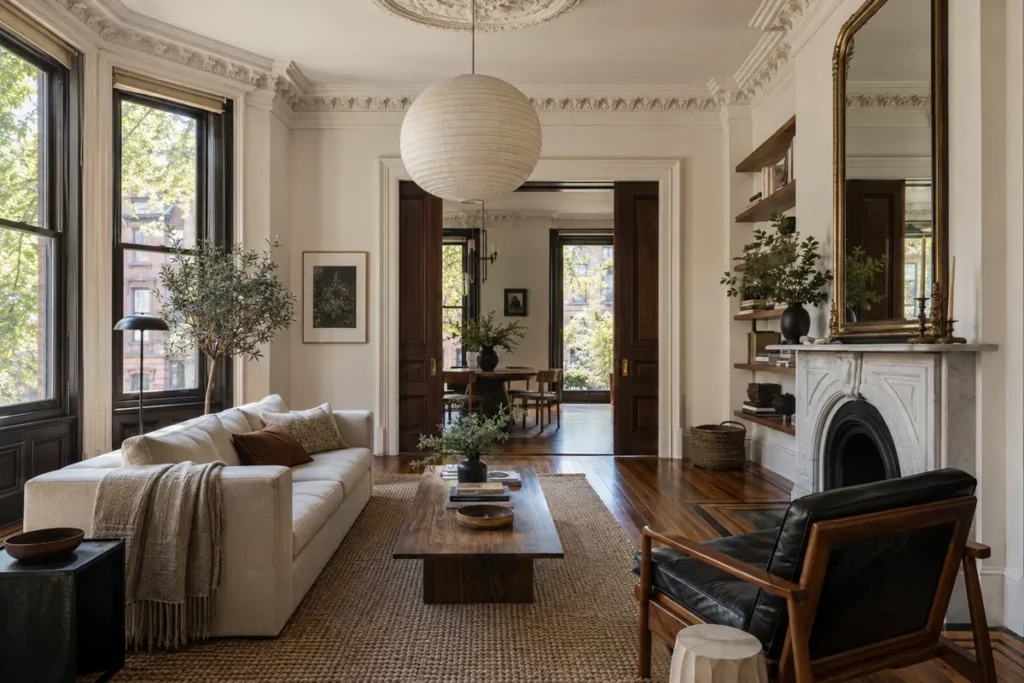
Parlor floor restoration
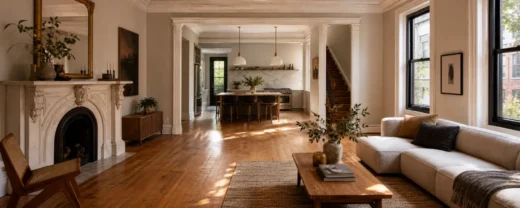
Fort Greene brownstones frequently retain original moldings, marble mantels, and plaster medallions. We restore and build a modern layout around these details rather than removing them.
Bathroom additions on upper floors
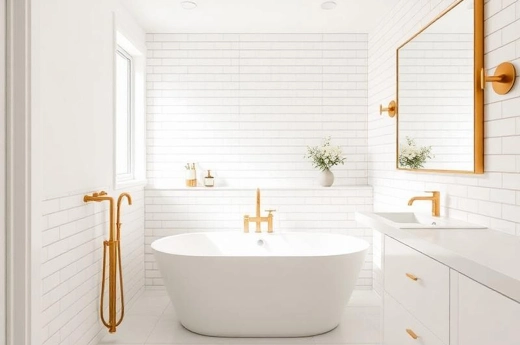
As in most Brooklyn brownstones, adding bathrooms above the parlor floor usually means running new stacks through existing chases without disturbing finishes elsewhere.
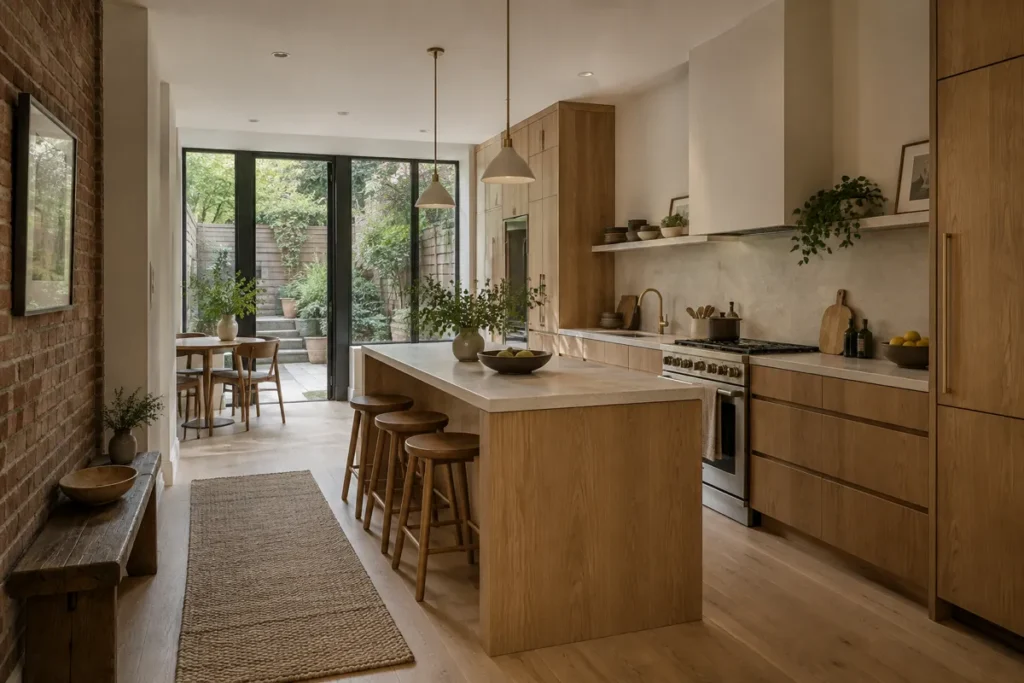
Rear extension and garden-level work
Rear extensions added over decades often have inconsistent foundations, and these areas typically need structural evaluation before a kitchen or family-room expansion moves forward.
Landmark district rules across two ZIP codes
Fort Greene spans parts of 11205 and 11217, but historic-district designation follows mapped boundaries rather than ZIP codes. Properties within the Fort Greene Historic District face LPC review for regulated exterior work; neighboring Boerum Hill has its own separate historic district. We confirm designation status during the first site visit.
Our Renovation Process
01
Free on-site structural assessment — joists, foundation, party walls, and existing layout
02
Itemized estimate covering structural, mechanical, and finish work
03
LPC filing where required, plus DOB permitting
04
Structural work and mechanical rough-in
05
Interior finishes, kitchen and bathroom installation
06
Final walkthrough and homeowner sign-off
See examples of our finished projects or request your free Fort Greene estimate.
structural repair, historic restoration, and full brownstone renovation
Learn more →
Bathroom Remodel
bathroom additions and renovations on upper floors
Learn more →
Kitchen Remodeling
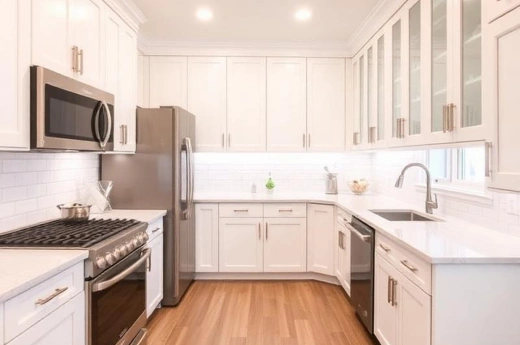
garden-level and parlor-floor kitchen renovation
Learn more →
Gut Renovation
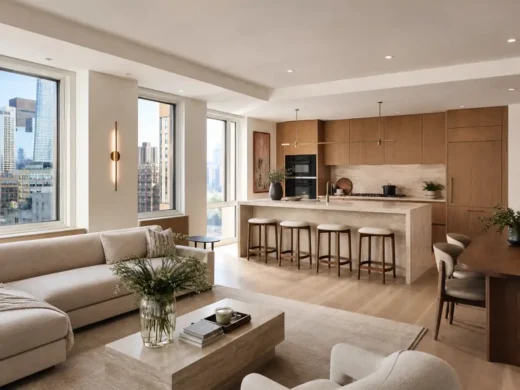
full interior renovation and structural reconfiguration
Learn more →
Frequently Asked Questions
Do you specialize in brownstone renovations specifically?
Yes — brownstone and rowhouse renovation is one of our core specialties in Brooklyn, and Fort Greene’s building stock is exactly the type of project we handle most often.
Does it matter whether my address is in 11205 or 11217?
ZIP code alone does not determine landmark status. We check the property against the official historic-district map, then scope any LPC and DOB requirements that apply to the address.
Can you add a bathroom to an existing floor?
Yes. We evaluate the existing plumbing stack and structural layout to add or relocate bathrooms without unnecessary demolition.
Will you handle LPC requirements for my landmarked house?
Yes — see our Brownstone Renovation page for what LPC compliance involves and how long it typically takes.
Do you serve other brownstone neighborhoods near Fort Greene?