
Yes. Water damage requires immediate action to limit spread and prevent mold, so we prioritize emergency assessments — call (212) 470-7987 to reach us directly.
Common Causes of Water Damage We Restore
| Cause | Typical Scope of Damage |
|---|---|
| Burst or leaking pipes | Localized to whole-floor damage depending on detection time |
| Appliance failures | Concentrated near the appliance, can spread to adjacent rooms or floor below |
| Storm/basement flooding | Can affect entire basement or ground floor, including mechanical systems |
| Sewage backup | Requires additional sanitation and remediation beyond standard protocols |
WhiteStar General Contractors provides water damage restoration across Brooklyn, Manhattan, and Staten Island, from our offices in Brooklyn and Staten Island, with experience managing everything from a single bathroom pipe burst to full basement flooding.
What’s Involved in Water Damage Restoration
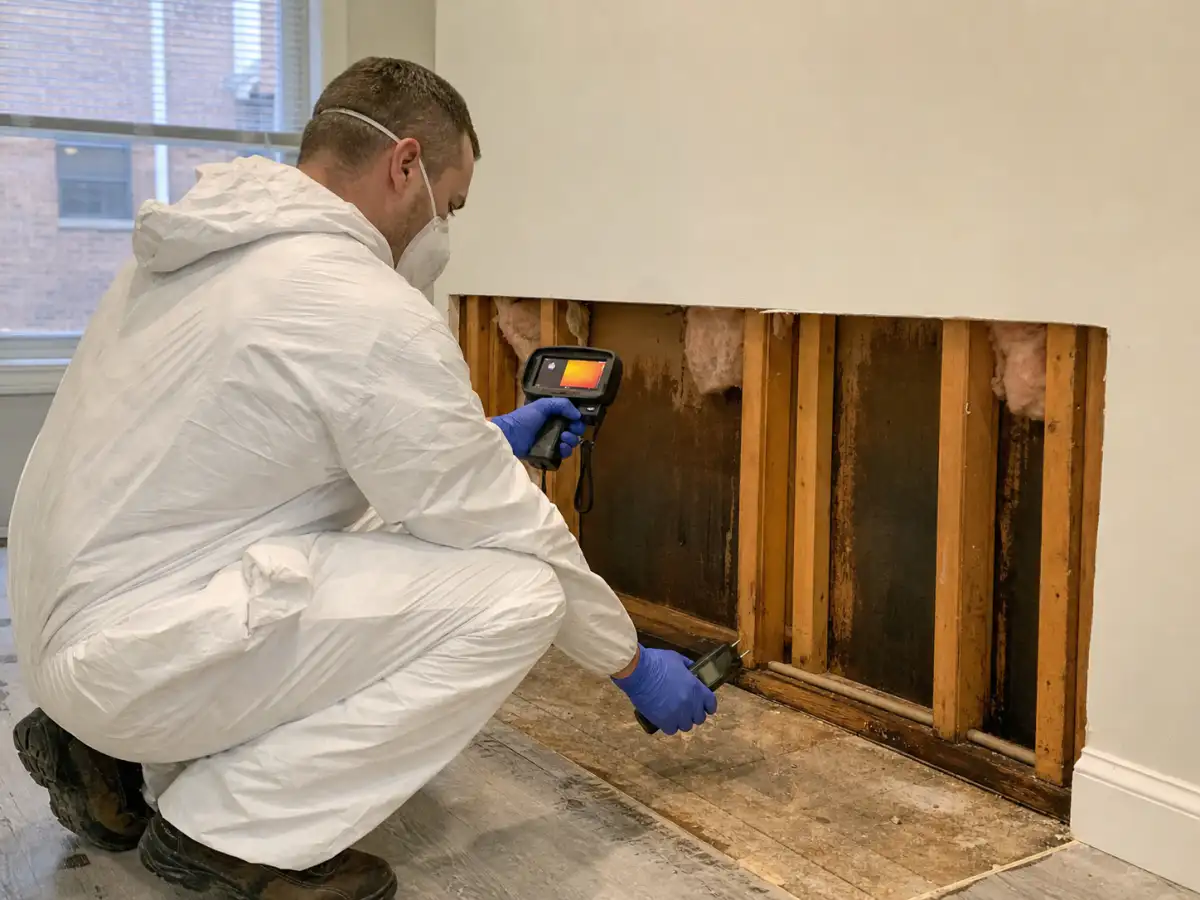 Emergency assessment and moisture evaluation. We assess the extent of water intrusion, including moisture that has traveled into wall cavities, subfloors, and framing beyond what’s visibly wet.
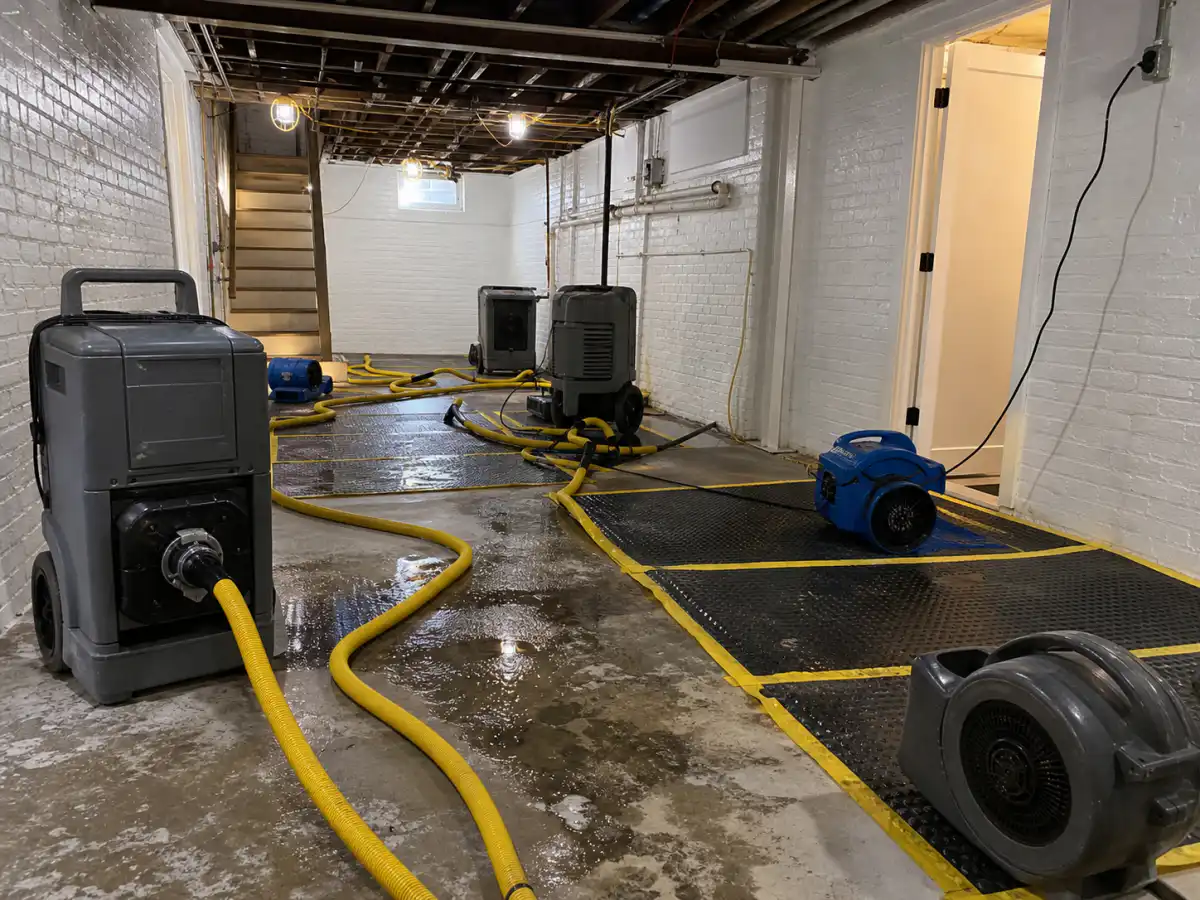 Water extraction and drying. Standing water and saturated materials need to be addressed immediately to limit damage and prevent mold growth — this is the first priority before any rebuild planning.
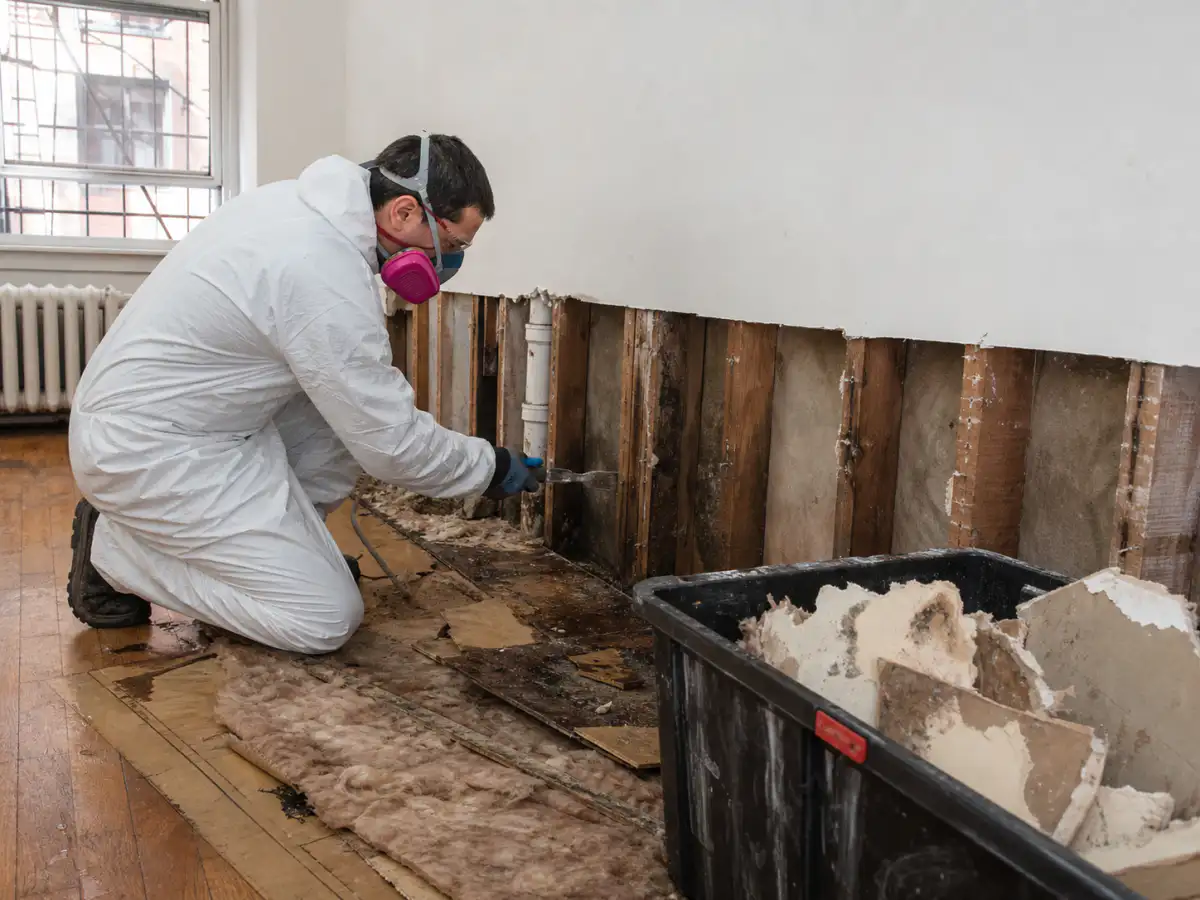 Demolition of damaged materials. Water-damaged drywall, flooring, and insulation are removed, since these materials rarely dry out fully enough to remain safely in place.
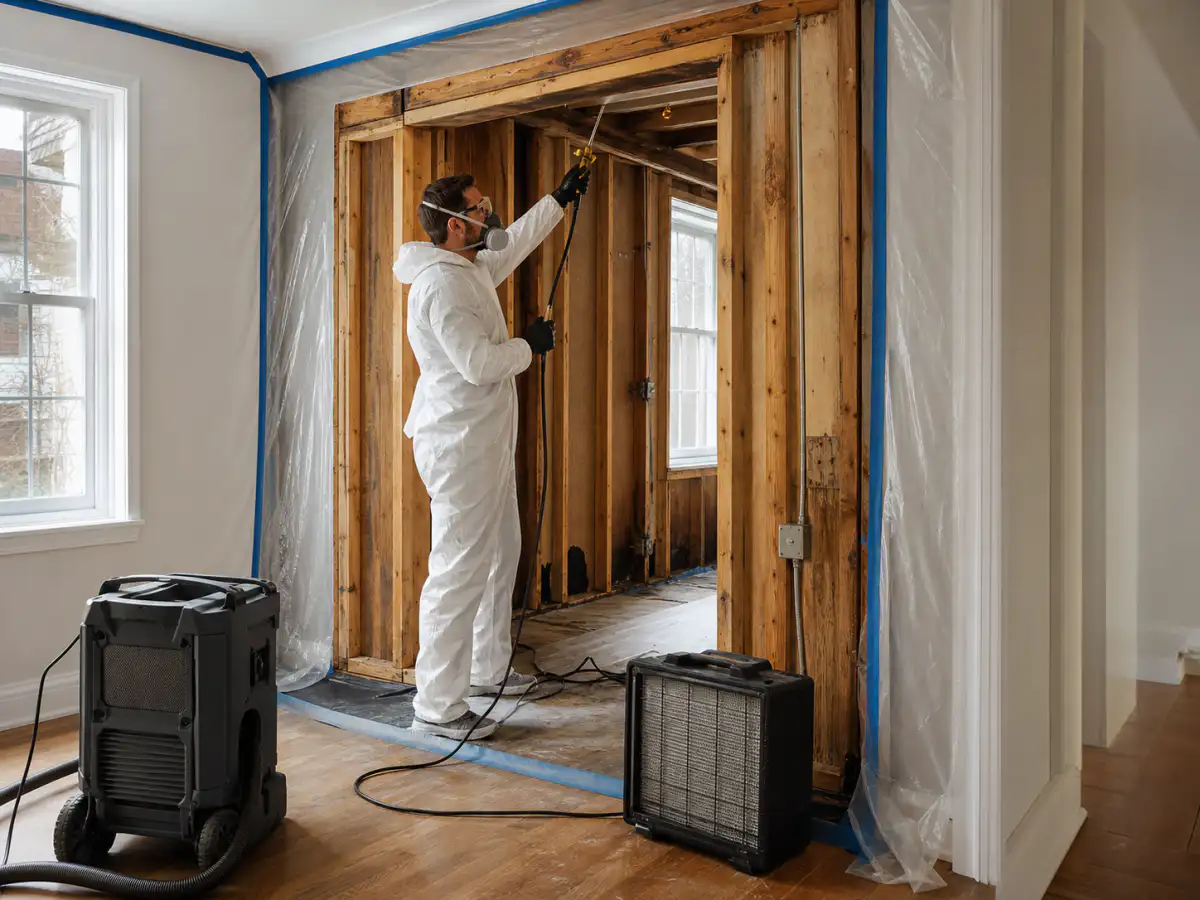 Mold prevention and remediation. Where moisture has been present long enough for mold to develop, remediation is handled before rebuild work continues, to avoid trapping mold behind new finishes.
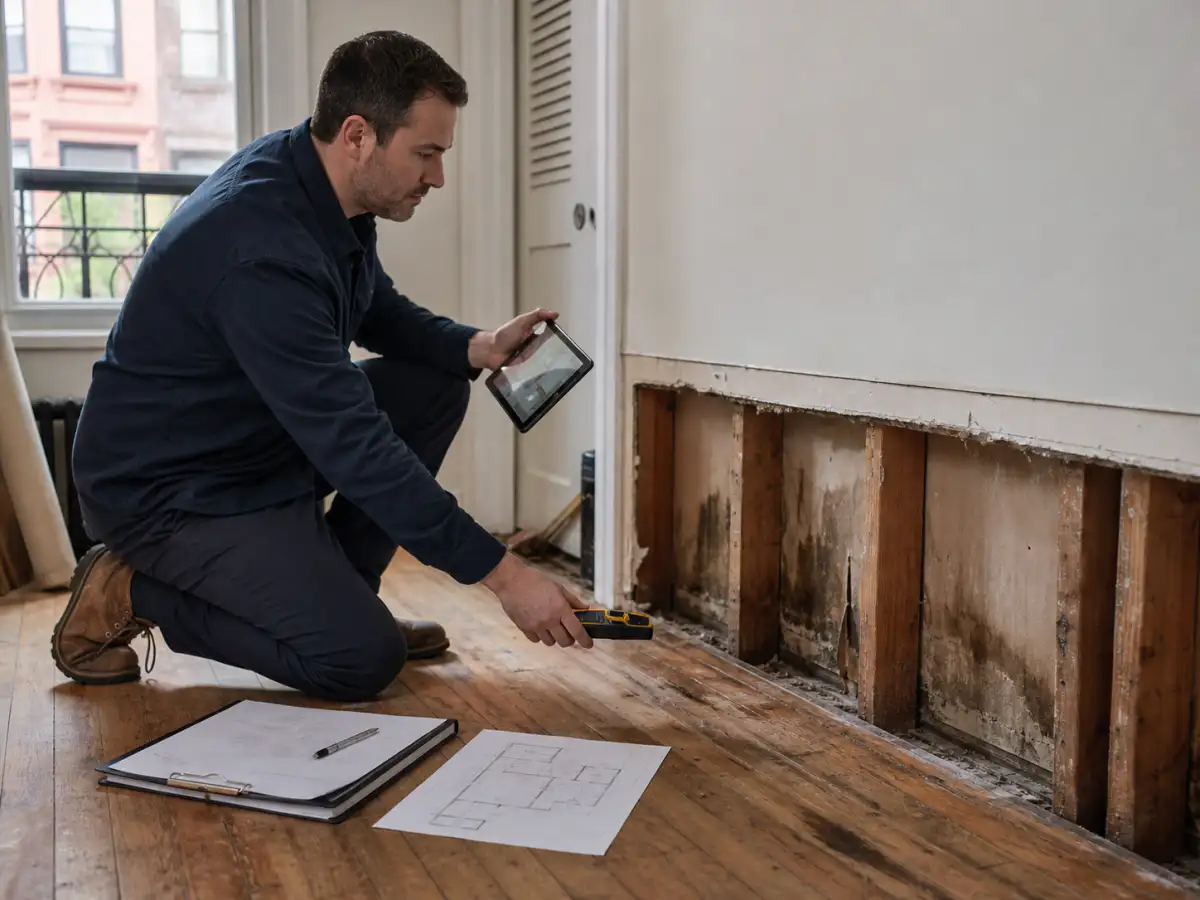 Insurance coordination. We document the damage and provide the itemized scope insurers require, and coordinate directly with adjusters where needed — many water damage claims (though not all, depending on cause and policy) are covered under homeowners insurance.
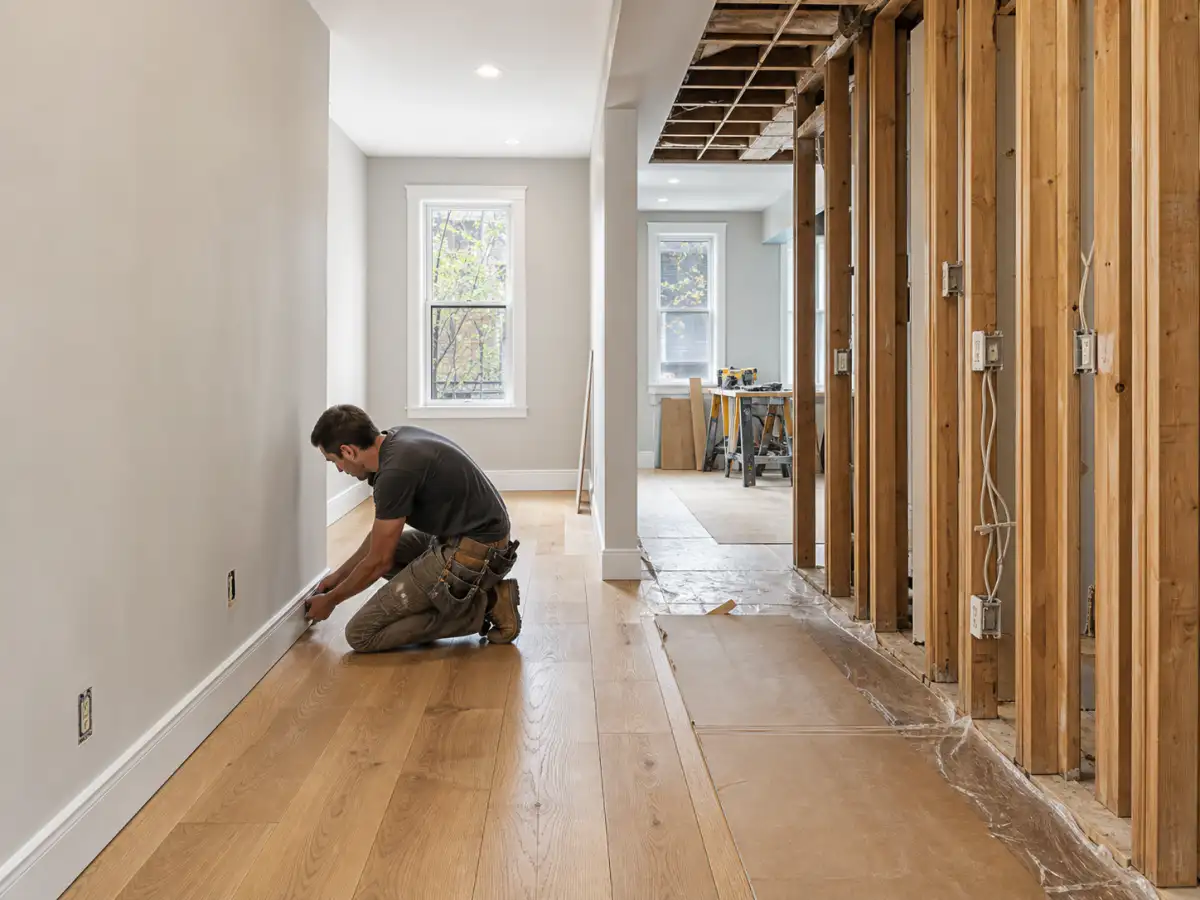 Full rebuild. Once affected materials are removed and the space is fully dry, we rebuild electrical (if affected), drywall, flooring, and finishes.
Our Water Damage Restoration Process
- Emergency response — on-site assessment and water extraction
- Drying and moisture monitoring — ensuring the structure is fully dry before rebuild begins
- Demolition — removal of water-damaged, unsalvageable materials
- Mold remediation — where applicable, addressed before continuing
- Documentation for insurance — itemized scope and damage assessment
- Rebuild — electrical, drywall, flooring, and finishes
- Final walkthrough — full inspection before sign-off
Common Causes of Water Damage We Restore
| Cause | Typical Scope of Damage |
|---|---|
| Burst or leaking pipes | Localized to whole-floor damage depending on how long the leak went undetected |
| Appliance failures (washing machine, dishwasher, water heater) | Often concentrated near the appliance, but can spread through flooring to adjacent rooms or the floor below |
| Storm flooding / basement flooding | Can affect entire basement or ground-floor level, often including mechanical systems |
| Sewage backup | Requires additional sanitation and remediation beyond standard water damage protocols |
Most water damage restoration projects run 2 to 10+ weeks depending on the extent of water intrusion, whether mold remediation is required, and how much rebuild is needed — we provide an itemized timeline after the initial on-site assessment.
Where We Provide Water Damage Restoration
We serve Staten Island, Brooklyn Heights, Park Slope, Cobble Hill, and Carroll Gardens, along with the rest of Manhattan and Brooklyn.