
Basement moisture is the leading cause of finished-basement failures — mold, warped flooring, and damaged drywall within a few seasons if the source of moisture isn’t addressed at the foundation level rather than simply covered with finish materials.
2026 NYC Basement Renovation Cost Guide
Basement Renovation Cost in NYC: Legal Requirements & Pricing for 2026
Finishing a basement in NYC typically costs $20,000–$70,000+, depending on waterproofing needs, whether you're adding egress windows, and the finish level. Basement cost is driven as much by legal compliance — ceiling height, emergency egress, moisture control — as by finishes.
Basement renovation is one of the most heavily regulated types of residential construction in New York City, and it’s also one of the most commonly done incorrectly — usually by an unlicensed contractor who skips permits and waterproofing to hit a lower price. This guide covers what a legal basement renovation actually costs, what’s required to make a basement livable under NYC code, and the questions to ask before you finish a below-grade space.
Basement Renovation Cost by Scope
| Project Scope | What’s Included | Typical Timeline | Starting Price |
|---|---|---|---|
| Storage/utility upgrade | Moisture control, basic finishes, electrical | 2–3 weeks | $20,000 |
| Standard finished basement | Framing, flooring, lighting, drywall, egress if needed | 4–6 weeks | $35,000 |
| Full living space conversion | Waterproofing, egress window, bathroom, HVAC extension, finishes | 6–10 weeks | $55,000 |
| Legal basement apartment | All of the above plus fire separation, second egress, C of O update | 10–16+ weeks | $70,000+ |
All prices are starting reference points, not quotes. See our Basement Renovation page for full scope details, or request a free on-site estimate.
Can You Legally Finish a Basement in NYC?
Only within specific requirements. NYC code generally requires a minimum ceiling height (typically around 7 feet), a legal means of emergency egress (a window or door meeting minimum size requirements), and proper ventilation. If the basement will function as a separate dwelling unit, additional habitability rules apply, including fire separation from the rest of the building and, often, a Certificate of Occupancy update. A contractor should evaluate your specific basement’s dimensions and conditions before design begins — not after you’ve already picked finishes for a plan that turns out to be legally impossible.
What Drives Basement Renovation Cost
- Waterproofing. Basements sit below grade, where moisture and occasional flooding are the top cause of finished-basement failures. Exterior or interior foundation waterproofing, proper grading, and sump pump systems where needed are the foundation of a basement that stays finished — not an optional upgrade.
- Egress compliance. If your basement doesn’t already have a code-compliant window or door for emergency exit, cutting and framing a new egress window is a significant structural task, particularly on below-grade walls.
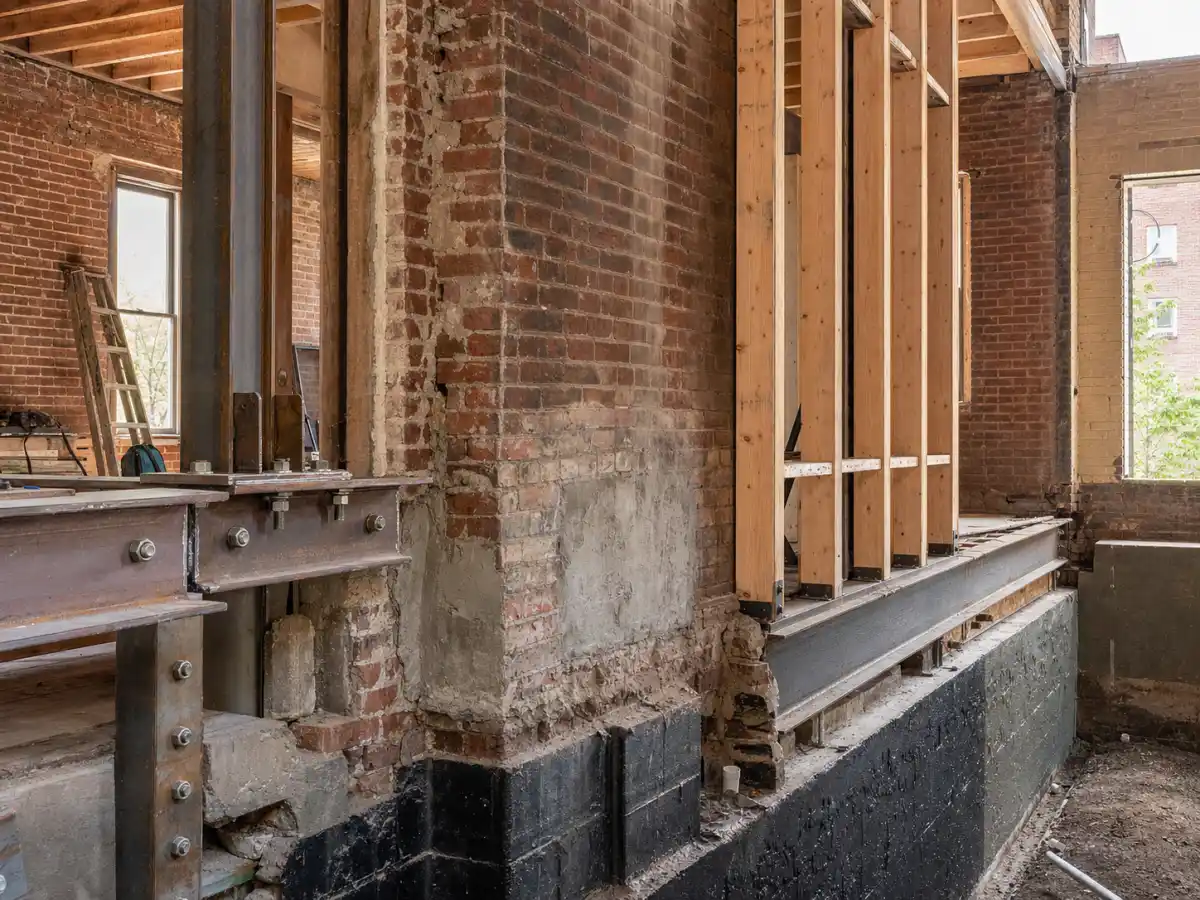
- Ceiling height. Basements with ceiling heights below code minimums sometimes require excavating and underpinning the foundation to lower the floor — a major structural undertaking that dramatically changes project cost and timeline.
- Legal occupancy goals. A basement finished as a family room, home office, or gym has a much lower compliance bar than one intended as a legal rental unit, which requires a full second means of egress, fire-rated separation, and often a C of O amendment.
- Mechanical extension. Extending HVAC, plumbing, and electrical systems down to the basement level — especially adding a bathroom — adds cost proportional to how far those systems need to travel from existing risers.
Turning a Basement Into a Legal Rental Unit
Converting a basement into a legal rental apartment is one of the more involved basement projects: it requires a separate means of egress from the rest of the building, adequate ceiling height throughout the unit, proper fire separation, and, in many cases, a Certificate of Occupancy update reflecting the additional unit. Not every basement can legally become a separate dwelling unit — a contractor should assess feasibility honestly during your consultation rather than promising a rental conversion that the building’s structure or lot simply can’t support.
Basement Renovation Timeline by Phase
| Phase | Typical Duration |
|---|---|
| Assessment & egress/ceiling evaluation | 1–2 weeks |
| Permitting | 3–6 weeks (varies by scope) |
| Waterproofing | 1–2 weeks |
| Framing & MEP rough-in | 2–3 weeks |
| Finishes | 2–4 weeks |
| Final DOB inspection & sign-off | 1–2 weeks |
Waterproofing and permitting are the two phases homeowners most often underestimate — both need to happen correctly before finish work begins, and rushing either one is how basements end up needing rework within a year or two.
Do You Need a Permit to Finish a Basement in NYC?
Yes, in almost every case. Any basement renovation involving electrical work, plumbing, egress modifications, or a change of use requires a DOB permit, and unpermitted basement work is one of the most commonly cited violations in New York City — carrying stop-work orders, fines, and mandatory removal of finished work. See our NYC renovation permits guide for how basement permitting compares to other renovation types.
Frequently Asked Questions
Why is basement waterproofing so important?
Can I finish my basement without egress windows?
You can finish it for non-habitable uses like storage or a workout area with fewer requirements, but any space intended for regular occupancy (bedroom, media room used frequently) generally needs a code-compliant emergency exit.
How much does it cost to add an egress window to a basement?
Cutting and framing a new below-grade egress window, including the window well, is a specialized structural task — get this quoted as a specific line item rather than folded into a general “basement finishing” price.
Is a low basement ceiling a dealbreaker?
Not necessarily. Contractors can sometimes optimize mechanical layouts and finishes to maximize usable height, though ceilings significantly below code minimums may require excavation and underpinning — a bigger, more expensive undertaking worth evaluating honestly before committing to a design.
Does a finished basement add resale value in NYC?
In most markets, yes — particularly a basement finished with proper waterproofing, legal egress, and a flexible layout (guest suite, home office, gym). A basement finished without permits or proper waterproofing can actually reduce resale value once a buyer’s inspector or attorney flags it.