
Yes — unpermitted work stays attached to the property, not the person who did it. As the current owner, you can be required to legalize or remove it, which is why a DOB records check before purchasing is worthwhile.
NYC Renovation Permits Guide
Do You Need a Permit to Renovate in NYC? Complete Guide
In New York City, you need a Department of Buildings (DOB) permit for any renovation involving structural changes, plumbing relocation, new or altered electrical circuits, or a change in a room's legal use. Purely cosmetic work generally does not require a permit.
Every year, homeowners across Manhattan and Brooklyn find out the hard way that a renovation they assumed was “just cosmetic” actually required a permit — usually when a building inspector, a co-op board, or a future buyer’s attorney flags the unpermitted work. This guide explains what actually triggers a DOB filing, what doesn’t, and how to avoid the stop-work orders and fines that come with getting it wrong.
What Requires a DOB Permit in NYC
| Type of Work | Permit Required? |
|---|---|
| Removing or relocating a wall (load-bearing or not) | Yes |
| Relocating plumbing fixtures (sink, tub, toilet) | Yes |
| Adding or relocating electrical circuits | Yes |
| Gas line installation or relocation | Yes |
| HVAC system changes affecting ductwork or venting | Yes |
| Converting a room’s legal use (e.g., basement to bedroom) | Yes |
| Structural repairs (joists, beams, foundation) | Yes |
| Painting, wallpaper, flooring refinishing | Generally no |
| Replacing fixtures in the same location | Generally no |
| Cabinet or countertop replacement (no plumbing move) | Generally no |
This table covers the most common categories — your specific project may fall into a gray area depending on your building’s Certificate of Occupancy and existing conditions. WhiteStar General Contractors evaluates permit requirements as part of every free on-site estimate.
Permits vs. Board Approval: Two Separate Processes
A DOB permit and a co-op or condo board’s alteration agreement are two different approvals, and homeowners frequently confuse them. The DOB permit is a legal requirement tied to the physical work performed. The board’s alteration agreement is a building-specific requirement tied to your lease or proprietary interest — even work that doesn’t need a DOB permit may still need board sign-off. Our co-op renovation guide walks through the board approval process specifically; if your building is a condo, the process is generally lighter but still requires documentation.
How Permit Type Affects Your Timeline
| Permit Complexity | Typical DOB Review Time | Common Project Types |
|---|---|---|
| Minor alteration (Alt-2, cosmetic-adjacent) | 1–3 weeks | Bathroom/kitchen refresh, fixture relocation |
| Standard alteration (Alt-2, structural/MEP) | 3–6 weeks | Full kitchen or bathroom renovation, wall removal |
| Major alteration (Alt-1, use or egress change) | 6–12+ weeks | Combining units, basement conversion, additions |
Add co-op or condo board review on top of DOB timelines where applicable — board approval and DOB filing typically run in parallel, but a board that meets monthly can still add 4–8 weeks before construction can start. Building this into your project timeline early prevents the frustration of a permit clearing before your board meeting, or vice versa.
What Happens If You Renovate Without a Required Permit?
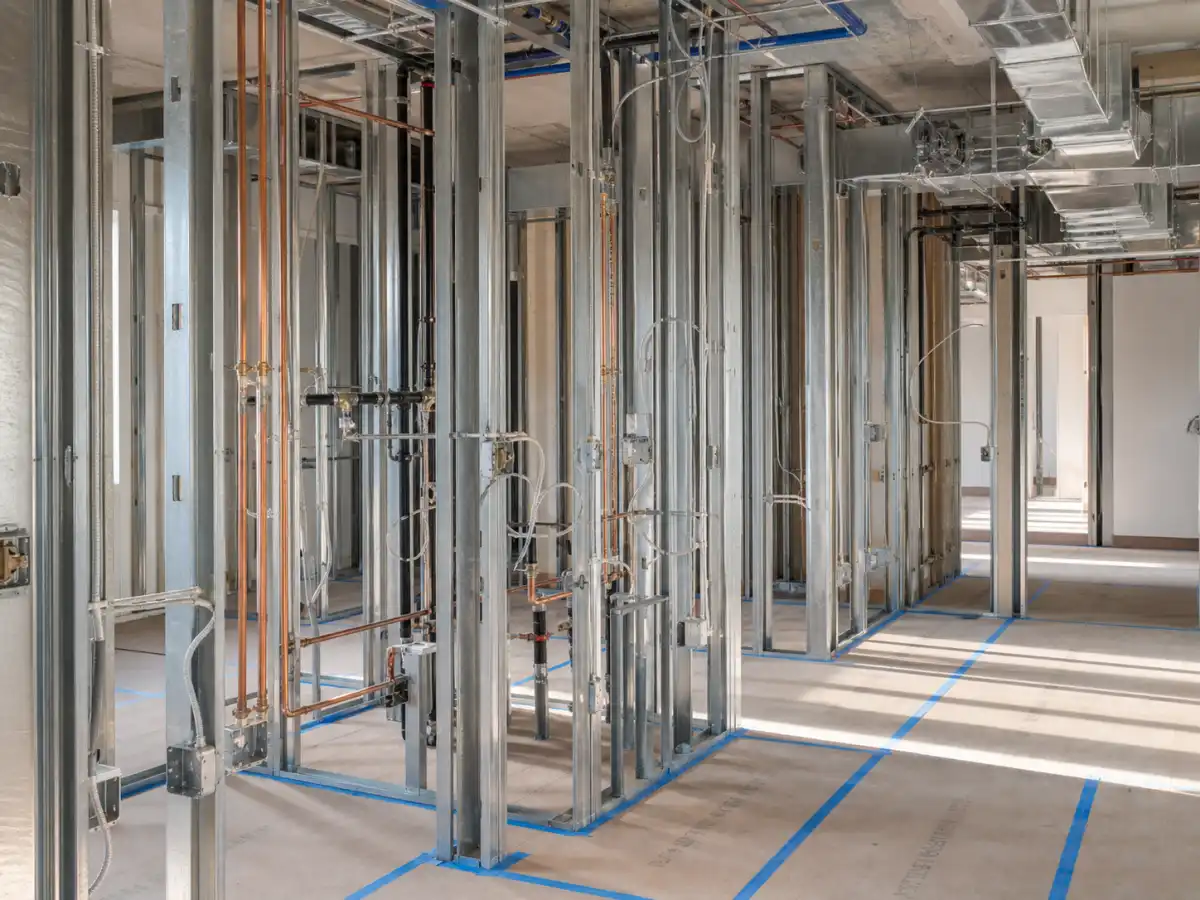
Unpermitted work that should have been filed carries real consequences: DOB can issue a stop-work order that halts construction entirely until the violation is resolved, fines that scale with the scope of unpermitted work, and — the consequence most homeowners don’t anticipate — a requirement to remove completed work if it can’t be retroactively legalized. Unpermitted renovations also routinely surface during a sale, when a buyer’s attorney reviews DOB records and finds work that was never filed, which can delay or derail a closing.
Who Files the Permit — You or Your Contractor?
A licensed general contractor typically files and manages permits as part of the renovation process, working with an architect or engineer when the scope requires stamped drawings (structural changes, egress modifications, larger alterations). This is one of the clearest signals of a legitimate, licensed contractor versus an unlicensed “handyman” — unlicensed workers generally cannot pull permits in their own name, which is exactly why unpermitted work so often traces back to them. See our guide on how to choose a general contractor in NYC for more on vetting this.
Permit Considerations by Project Type
- Kitchen remodeling: Permit required if plumbing, gas, or electrical circuits move; not required for cabinet/countertop-only updates.
- Bathroom renovation: Permit required for plumbing relocation or wall removal; cosmetic fixture swaps in place generally don’t require one.
- Basement renovation: Almost always requires a permit — egress compliance, ceiling height, and any change of use are closely regulated.
- Brownstone renovation: Requires DOB permits and, in historic districts, Landmarks Preservation Commission (LPC) approval for any exterior or street-visible work.
- Gut renovation: Requires DOB permits covering demolition, structural, electrical, and plumbing at minimum.
Frequently Asked Questions
Can I get in trouble for renovations done by a previous owner without permits?
How much does a DOB permit cost in NYC?
Permit filing fees vary by project scope and typically range from a few hundred to a few thousand dollars, plus architect or engineer fees for stamped drawings where required. This is separate from — and usually much smaller than — your construction cost.
Can I file a permit myself instead of through my contractor?
Technically possible for some minor filings, but most renovation permits require a licensed professional (contractor, architect, or engineer) to file. Coordinating permits and construction under one team, as we do at WhiteStar, avoids the gaps that occur when these are handled separately.
Does painting or refinishing floors ever require a permit?
No — purely cosmetic work with no structural, plumbing, or electrical component is generally exempt from DOB permitting.
What’s the difference between an Alt-1 and Alt-2 permit?
An Alt-1 permit applies to projects that change a building’s use, egress, or occupancy — combining apartments, converting a basement to legal living space, and similar projects. An Alt-2 permit covers renovations that don’t change use or occupancy, which describes most kitchen, bathroom, and interior renovations.